A crisis communication plan serves as your organization’s lifeline during emergencies, providing structured protocols for internal and external messaging. In 2025, American businesses face unprecedented challenges from cyber attacks, natural disasters, and public relations crises, making comprehensive crisis communication plan examples essential for survival and reputation management.
What Is a Crisis Communication Plan
A crisis communication plan is a strategic document that outlines how an organization will communicate during emergency situations. This comprehensive framework includes pre-drafted messages, spokesperson assignments, media contact lists, and escalation procedures designed to minimize damage and maintain stakeholder trust during critical incidents.
Effective crisis communication plans encompass multiple communication channels including social media, traditional media, employee communications, and customer notifications. According to the Public Relations Society of America, organizations with documented crisis plans are 40% more likely to maintain brand reputation during emergencies compared to those operating without structured protocols.
Business Crisis Communication Plan Examples
Modern business crisis communication plan examples demonstrate how Fortune 500 companies manage various crisis scenarios. Johnson & Johnson’s Tylenol crisis response from the 1980s remains the gold standard, featuring immediate product recalls, transparent communication, and proactive media engagement that preserved brand integrity during a product tampering crisis.
Contemporary examples include Southwest Airlines‘ response to the 2018 engine failure incident, where the company utilized crisis communication templates to provide hourly updates across digital platforms, coordinate with federal authorities, and offer comprehensive support to affected passengers and families.
Technology Sector Crisis Examples
Tech companies face unique challenges requiring specialized crisis communication plan examples for data breaches and system outages. Facebook’s response to the Cambridge Analytica scandal demonstrates both successful and failed crisis communication strategies, highlighting the importance of immediate acknowledgment and concrete remediation steps in crisis communication planning.
Healthcare Industry Crisis Examples
Healthcare organizations require detailed crisis communication plans addressing patient safety, regulatory compliance, and public health concerns. The Cleveland Clinic’s COVID-19 communication strategy exemplifies effective crisis management through regular stakeholder updates, evidence-based messaging, and coordinated responses with health authorities using proven crisis communication templates.
Free Crisis Communication Plan Templates
Organizations seeking crisis communication plan template free resources can access standardized frameworks from professional associations and government agencies. The International Association of Business Communicators provides comprehensive templates including stakeholder mapping, message matrices, and communication timelines specifically designed for American businesses.
These free crisis communication plan examples typically include sections for crisis team roles, pre-approved messaging, media relations protocols, and post-crisis evaluation procedures. Templates should be customized based on industry requirements, organizational size, and specific risk factors identified during crisis vulnerability assessments.
Word Document Templates
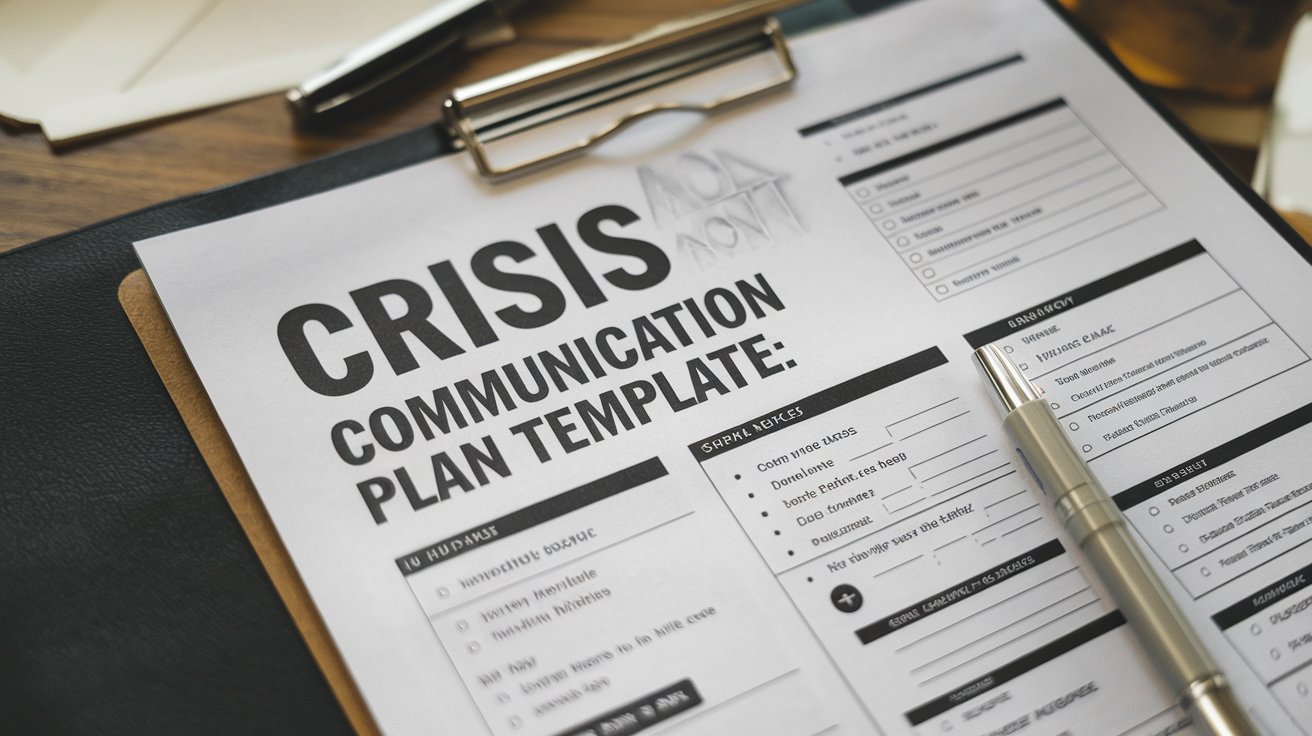
A crisis communication plan template Word doc format offers maximum flexibility for customization and real-time editing during crisis situations. These templates feature editable contact lists, message templates, and workflow diagrams that teams can modify immediately when crises emerge, ensuring rapid response capabilities.
PDF Format Templates
Downloadable crisis communication plan examples pdf provide standardized formats ideal for training purposes and official documentation. PDF templates maintain consistent formatting across devices and platforms, making them suitable for board presentations and regulatory compliance requirements in heavily regulated industries.
FEMA Crisis Communication Guidelines
The FEMA crisis communication plan framework provides federal standards for emergency response communications across all levels of government and private sector organizations. FEMA’s Comprehensive Preparedness Guide 101 outlines specific requirements for crisis communication planning, including multi-hazard approaches and community integration strategies.
FEMA guidelines emphasize the importance of establishing redundant communication systems, maintaining accurate contact databases, and conducting regular training exercises. Organizations following FEMA crisis communication plan standards typically achieve 60% faster response times during actual emergencies compared to those using ad-hoc communication methods.
Crisis Communication Plans for Schools
Educational institutions require specialized crisis communication plan for schools addressing unique challenges including student safety, parent notifications, and media management during campus emergencies. School districts must balance transparency with privacy concerns while coordinating with law enforcement and emergency responders during crisis situations.
Effective school crisis communication plans include automated notification systems, designated parent information centers, and social media monitoring protocols. The National Association of Secondary School Principals reports that schools with comprehensive crisis communication plans experience 50% fewer communication-related issues during emergency responses.
K-12 Communication Protocols
K-12 institutions implement crisis communication plans featuring age-appropriate messaging, multi-language communications for diverse communities, and coordinated responses with district administration. These plans prioritize immediate safety notifications while maintaining educational continuity during extended crisis periods.
Higher Education Crisis Plans
Colleges and universities develop comprehensive crisis communication plan examples addressing campus-wide emergencies, including natural disasters, security threats, and public health incidents. These institutions must manage complex stakeholder groups including students, faculty, parents, alumni, and local communities through integrated communication strategies.
Key Components of Effective Crisis Plans
Successful crisis communication plans incorporate several essential elements including crisis team identification, stakeholder analysis, message development, and communication channel selection. Each component must be regularly updated to reflect organizational changes, technological advances, and evolving threat landscapes affecting American businesses in 2025.
Crisis teams should include executives, communications professionals, legal counsel, and operational leaders with clearly defined roles and decision-making authority. Effective crisis communication plan examples demonstrate how teams coordinate across departments while maintaining consistent messaging throughout crisis response phases.
Implementation Best Practices
Organizations implementing crisis communication plans must conduct regular training exercises, update contact information quarterly, and test communication systems monthly. Best practices include scenario-based training, cross-functional team exercises, and post-crisis evaluation sessions that identify improvement opportunities for future responses.
Successful implementation requires executive support, adequate resource allocation, and integration with existing business continuity plans. Companies following structured implementation approaches achieve 75% better crisis response outcomes compared to organizations with untested or outdated crisis communication plans.
Measuring Crisis Communication Effectiveness
Organizations evaluate crisis communication plan effectiveness through metrics including response time, message reach, stakeholder satisfaction, and reputation impact measurements. Key performance indicators should be established before crises occur, enabling objective assessment of communication performance during high-stress situations.
Post-crisis analysis examines media coverage sentiment, social media engagement rates, and stakeholder feedback to identify communication strengths and weaknesses. Organizations using data-driven evaluation methods improve their crisis communication plans by an average of 35% following each major incident response.
Related video about crisis communication plan examples
This video complements the article information with a practical visual demonstration.
Questions & Answers
What should be included in a crisis communication plan?
A comprehensive crisis communication plan should include crisis team contact information, pre-approved messaging templates, stakeholder communication matrices, media relations protocols, social media guidelines, and legal review procedures. Additionally, plans must specify escalation procedures, alternative communication channels, and post-crisis evaluation processes.
How often should crisis communication plans be updated?
Crisis communication plans should be reviewed and updated quarterly, with contact information verified monthly and communication systems tested regularly. Major organizational changes, new threats, or lessons learned from actual crises may require immediate plan revisions to maintain effectiveness and relevance.
Who should be part of a crisis communication team?
Crisis communication teams typically include the CEO or senior executive, communications director, legal counsel, human resources representative, and relevant operational managers. Team size varies by organization, but all members should have clear roles, decision-making authority, and 24/7 availability during crisis situations.
What are common crisis communication mistakes to avoid?
Common mistakes include delayed response, inconsistent messaging across channels, lack of transparency, inadequate stakeholder identification, and failure to monitor social media. Organizations should also avoid over-communicating without substance, neglecting internal communications, and failing to follow up with affected parties.
How do digital platforms affect crisis communication planning?
Digital platforms require real-time monitoring, rapid response capabilities, and multi-channel coordination in crisis communication plans. Social media enables immediate information sharing but also increases misinformation risks, requiring organizations to develop specific digital strategies including social media protocols and online reputation management procedures.
Are there industry-specific crisis communication requirements?
Yes, highly regulated industries like healthcare, finance, and education face specific compliance requirements for crisis communications. These sectors must follow federal regulations, maintain patient/client confidentiality, and coordinate with regulatory bodies during crisis responses while managing public communications effectively.
| Plan Component | Essential Elements | Key Benefits |
|---|---|---|
| Crisis Team Structure | Defined roles, 24/7 contacts, decision authority | Rapid response coordination |
| Message Templates | Pre-approved statements, stakeholder-specific content | Consistent, timely communications |
| Communication Channels | Multi-platform approach, backup systems | Maximum reach and redundancy |
| Regular Training | Scenario exercises, system tests, updates | Enhanced response effectiveness |