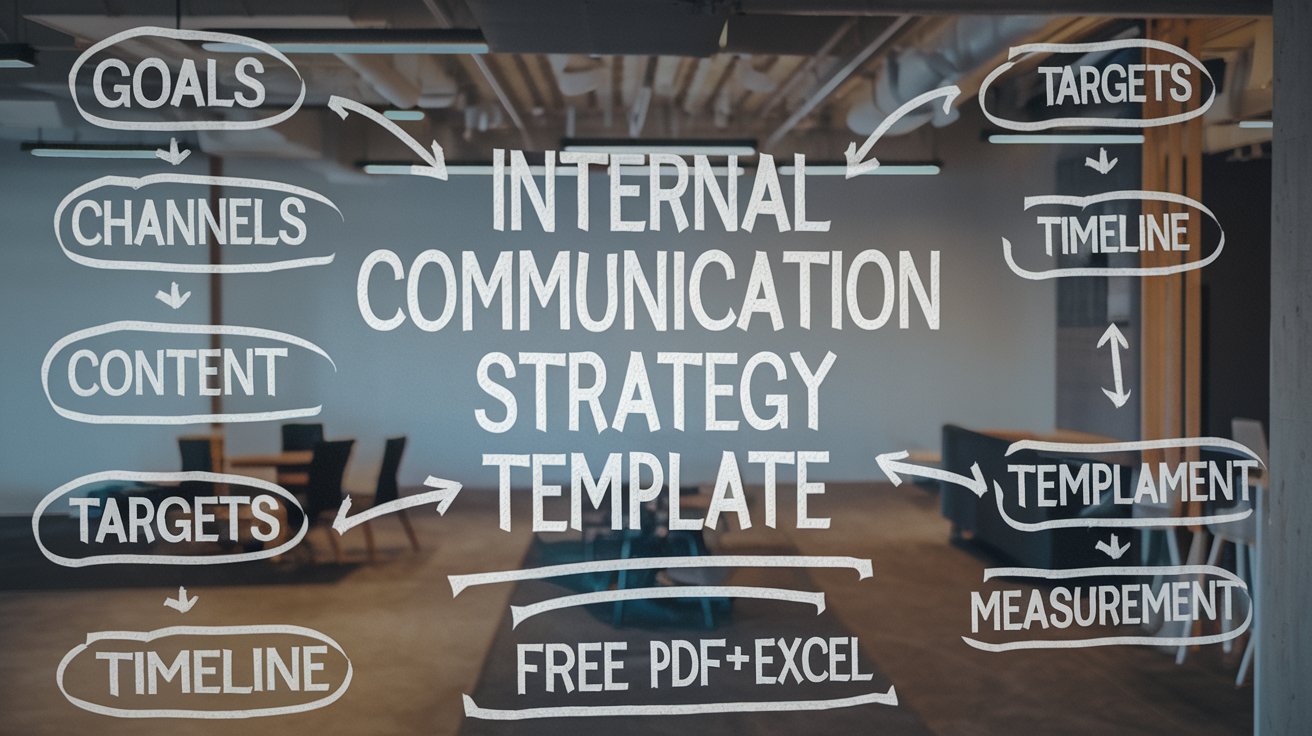
An effective internal communication strategy template is essential for organizations seeking to enhance employee engagement, boost productivity, and align teams with company objectives. This comprehensive guide provides actionable templates, proven frameworks, and 2026 best practices to develop a robust internal communications plan that drives measurable results across your organization.
Why Internal Communication Strategy Templates Are Critical in 2026
Modern organizations face unprecedented communication challenges, with 86% of US employees citing poor workplace communication as a primary cause of job dissatisfaction according to 2025 Gallup research. A well-structured internal communication strategy template serves as a roadmap to address these challenges systematically, ensuring consistent messaging across all organizational levels.
Companies with effective internal communication strategies report 25% higher employee retention rates and 47% higher stock returns compared to organizations with poor communication frameworks. The internal communication strategy template PDF format has become increasingly popular among HR professionals, offering standardized approaches that can be customized for specific organizational needs while maintaining proven effectiveness.
Essential Components of an Internal Communications Plan Template
A comprehensive internal communication strategy template must include seven fundamental elements that form the backbone of successful organizational communication. These components ensure systematic approach to messaging, audience segmentation, and performance measurement across all communication initiatives.
Situational Analysis and Communication Audit
The foundation of any internal communication strategy and action plan PDF begins with a thorough situational analysis. This component involves conducting communication audits, identifying existing gaps, and assessing current communication effectiveness. Organizations should evaluate their communication channels, message consistency, and employee feedback mechanisms to establish baseline metrics for improvement.
Clear Objectives and Desired Outcomes
Defining specific, measurable objectives is crucial for any internal communications strategy PDF. These objectives should align with broader organizational goals and include metrics such as employee engagement scores, message recall rates, and behavior change indicators. Successful templates incorporate SMART goals that provide clear direction for all communication initiatives and enable accurate progress tracking.
Audience Segmentation and Persona Development
Effective simple internal communication strategy templates include detailed audience segmentation frameworks that categorize employees based on roles, departments, communication preferences, and information needs. This segmentation enables targeted messaging that resonates with specific groups while ensuring consistent core messaging across the organization.
How to Create Your Internal Communication Strategy Template
Developing a customized internal communication strategy template requires systematic planning and stakeholder collaboration. The creation process involves seven critical steps that ensure comprehensive coverage of communication needs while maintaining flexibility for organizational adaptation and future growth requirements.
Step 1: Conduct Comprehensive Situation Assessment
Begin your internal communication strategy template free development by conducting a thorough assessment of your organization’s current communication landscape. This assessment should include employee surveys, leadership interviews, communication channel analysis, and review of existing communication materials to identify strengths, weaknesses, and improvement opportunities.
Step 2: Define Strategic Communication Goals
Establish clear, measurable goals that align with your organization’s strategic objectives. Your internal communication strategy template Word document should include specific targets for employee engagement, message effectiveness, and behavioral outcomes. These goals will guide all subsequent communication decisions and provide benchmarks for success measurement.
Step 3: Develop Audience Personas and Segmentation
Create detailed audience personas that reflect your organization’s diverse employee groups. This segmentation enables targeted messaging and channel selection for maximum impact. Include demographics, communication preferences, information needs, and influence levels in your internal communications plan examples PDF documentation.
Channel Selection and Communication Tactics Framework
Selecting appropriate communication channels is vital for maximizing message reach and impact. Your internal communication strategy template Excel should include a comprehensive channel matrix that maps different message types to optimal communication platforms, considering audience preferences and message urgency levels.
Modern organizations utilize diverse communication channels including digital platforms, face-to-face meetings, and hybrid approaches. The most effective internal communication strategy template PDF frameworks incorporate multi-channel strategies that reinforce key messages across various touchpoints while avoiding communication overload.
Message Development and Content Strategy Guidelines
Effective message development requires careful consideration of audience needs, organizational objectives, and communication context. Your simple internal communication strategy template should include message hierarchies, tone guidelines, and content approval processes that ensure consistency while enabling timely communication delivery.
Content strategy guidelines within your internal communications strategy PDF should address message timing, frequency, and format considerations. Include templates for common communication scenarios such as change announcements, policy updates, and recognition programs to maintain messaging consistency across different communication initiatives.
Measurement and Analytics Framework for Communication Success
Implementing robust measurement systems is essential for tracking communication effectiveness and demonstrating return on investment. Your internal communication strategy and action plan PDF should include key performance indicators, measurement methodologies, and reporting schedules that enable continuous improvement of communication initiatives.
Key Performance Indicators and Metrics
Establish comprehensive KPIs that measure both quantitative and qualitative aspects of communication effectiveness. These metrics should include reach and engagement rates, message comprehension scores, employee satisfaction levels, and behavioral change indicators. Your internal communication strategy template free should provide clear guidance on metric selection and measurement frequency.
Data Collection and Analysis Methods
Implement systematic data collection processes that provide actionable insights for communication improvement. Your template should include survey methodologies, feedback collection systems, and analytics tools that enable comprehensive evaluation of communication program effectiveness and guide future strategy refinements.
Communication Calendar and Timeline Management
A well-structured communication calendar ensures consistent messaging delivery and prevents communication conflicts. Your internal communication strategy template Excel should include calendar templates that coordinate various communication initiatives while maintaining appropriate messaging frequency and avoiding employee information overload.
Timeline management within your internal communications plan examples PDF should account for approval processes, content creation timelines, and distribution scheduling. Include contingency planning for urgent communications and crisis response scenarios to maintain communication effectiveness during challenging periods.
Implementation Best Practices and Common Pitfalls to Avoid
Successful implementation of your internal communication strategy template requires careful attention to change management principles and stakeholder engagement. Organizations must address resistance to communication changes while building support for new communication approaches among leadership and employee populations.
Common implementation pitfalls include inadequate leadership buy-in, insufficient resource allocation, and failure to adapt communication strategies based on feedback and results. Your simple internal communication strategy template should include implementation checklists and risk mitigation strategies that address these challenges proactively.
Technology Integration and Digital Communication Tools
Modern internal communication strategies must leverage technology effectively to reach distributed workforces and accommodate diverse communication preferences. Your internal communications strategy PDF should address platform integration, mobile accessibility, and digital engagement strategies that enhance communication effectiveness while maintaining security and compliance requirements.
Technology selection should align with organizational infrastructure capabilities and employee technology adoption levels. Include evaluation criteria for communication platforms, integration requirements, and training considerations in your internal communication strategy template Word documentation to ensure successful technology implementation.
Related video about internal communication strategy template
This video complements the article information with a practical visual demonstration.
Essential Q&A about internal communication strategy template
What should be included in an internal communication strategy template?
A comprehensive internal communication strategy template should include situational analysis, clear objectives, audience segmentation, message frameworks, channel selection guidelines, measurement systems, and implementation timelines. The template should also incorporate communication calendars, approval processes, and contingency planning for crisis communications.
How often should internal communication strategies be updated?
Internal communication strategies should be reviewed quarterly and updated annually to reflect organizational changes, technology advances, and evolving employee needs. However, major organizational changes such as mergers, restructuring, or leadership transitions may require immediate strategy revisions to maintain effectiveness.
What are the most effective internal communication channels in 2026?
The most effective internal communication channels in 2026 include integrated digital platforms, mobile applications, video conferencing tools, and hybrid communication approaches. Email remains important for formal communications, while instant messaging and collaboration platforms facilitate real-time interaction and team coordination.
How can organizations measure internal communication effectiveness?
Organizations can measure internal communication effectiveness through employee engagement surveys, message recall assessments, communication reach analytics, feedback collection systems, and behavioral change indicators. Key metrics include open rates, response rates, employee satisfaction scores, and alignment with organizational objectives.
What are common mistakes in internal communication strategy development?
Common mistakes include lack of audience segmentation, insufficient leadership support, poor channel selection, inadequate measurement systems, and failure to adapt strategies based on feedback. Organizations also frequently underestimate resource requirements and neglect to establish clear communication governance structures.
How can small businesses implement internal communication strategies effectively?
Small businesses can implement effective internal communication strategies by focusing on simple, scalable approaches that leverage existing resources. This includes utilizing free communication tools, establishing regular meeting rhythms, creating clear communication protocols, and designating communication champions to ensure consistent message delivery across the organization.
| Template Component | Key Features | Business Impact |
|---|---|---|
| Situational Analysis | Communication audit, gap assessment, baseline metrics | Improved targeting and resource allocation |
| Audience Segmentation | Employee personas, preference mapping, needs analysis | Higher engagement and message effectiveness |
| Channel Framework | Multi-platform strategy, message-channel mapping | Enhanced reach and reduced communication costs |
| Measurement System | KPIs, analytics tools, feedback mechanisms | Continuous improvement and ROI demonstration |
| Implementation Plan | Timeline, resources, governance structure | Successful adoption and sustainable results |